

Description
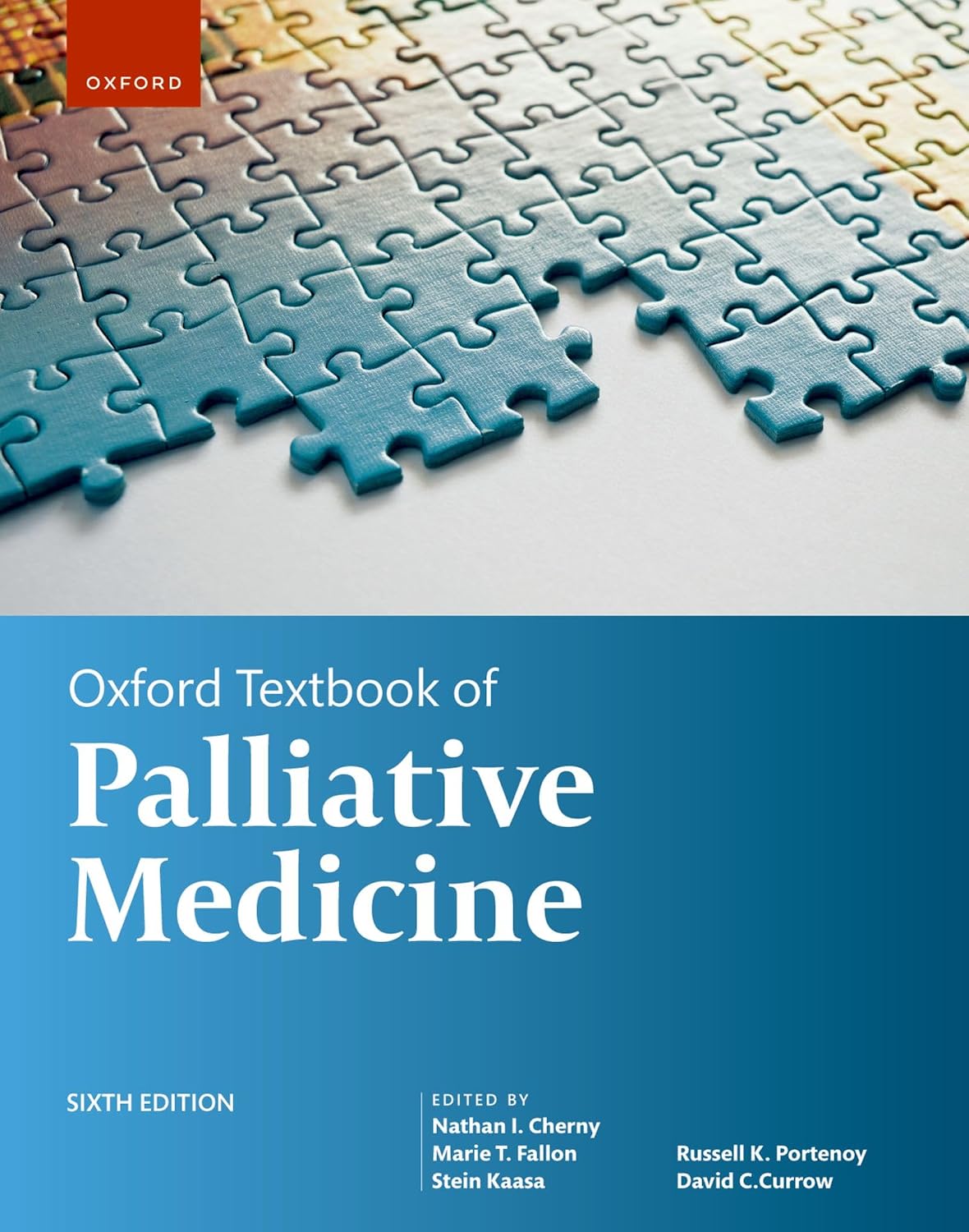
Oxford Textbook of Palliative Medicine, 6th Edition
Comprehensive Clinical Reference for Palliative Care, Pain Management & End-of-Life Medicine
The Oxford Textbook of Palliative Medicine, 6th Edition is an extensive, multidisciplinary reference for clinicians caring for patients with serious, advanced, and life-limiting illness.
Written with contributions from more than 200 experts from around the world, this major Oxford reference brings together evidence-based guidance across pain management, symptom control, oncology, palliative medicine, end-of-life care, communication, ethics, psychosocial care, and multidisciplinary clinical practice.
With approximately 1,408 pages of in-depth clinical content, it provides a broad resource for physicians, nurses, advanced practice clinicians, trainees, and multidisciplinary teams working across hospital, outpatient, hospice, oncology, emergency, critical-care, and long-term-care settings.
Book Details
Title: Oxford Textbook of Palliative Medicine
Edition: 6th Edition
Editors: Nathan I. Cherny, Marie T. Fallon, Stein Kaasa, Russell K. Portenoy & David C. Currow
Publisher: Oxford University Press
Publication Year: 2021
Pages: 1,408
ISBN: 9780198821328
Specialties: Palliative Medicine • Pain Management • Oncology • Internal Medicine • End-of-Life Care
Why Choose the Oxford Textbook of Palliative Medicine?
✓ Comprehensive palliative medicine reference covering the clinical, psychological, ethical, social, and organizational dimensions of modern palliative care.
✓ More than 200 international contributors provide a global, multidisciplinary perspective on the care of patients with advanced illness.
✓ Extensive pain-management coverage addressing assessment, analgesic strategies, cancer pain, neuropathic pain, opioids, adjuvant therapies, and complex pain syndromes.
✓ Detailed symptom-management guidance covering some of the most challenging symptoms encountered in serious illness.
✓ Strong oncology focus with dedicated discussion of palliative care throughout the cancer trajectory.
✓ End-of-life and terminal-care guidance addressing symptom control, decision-making, communication, family support, and care of the actively dying patient.
✓ Practical coverage across multiple care settings, including hospitals, specialist palliative-care services, intensive care units, emergency departments, nursing homes, and community care.
✓ Multidisciplinary approach relevant to physicians, nurses, psychologists, social-care professionals, pharmacists, rehabilitation teams, and other clinicians involved in serious-illness care.
Pain Management & Symptom Control
Pain and symptom management are central components of palliative medicine, and this textbook provides extensive guidance for evaluating and managing complex clinical problems.
Explore topics related to:
- Acute and chronic pain
- Cancer-related pain
- Neuropathic pain
- Complex pain syndromes
- Analgesic therapy
- Opioid management
- Adjuvant analgesics
- Pain assessment
- Symptom burden
- Treatment of refractory symptoms
- Pharmacologic and nonpharmacologic approaches
- Individualized symptom management
The result is a valuable reference for clinicians who regularly manage patients with significant pain or symptom burden.
Comprehensive Symptom Management
Serious illness often involves multiple overlapping symptoms requiring careful assessment and individualized treatment.
The textbook provides detailed coverage of major symptom domains, including:
Cardiorespiratory Symptoms
- Dyspnea and breathlessness
- Respiratory symptoms
- Cardiorespiratory disorders
- Symptom evaluation and management
Gastrointestinal Symptoms
- Nausea and vomiting
- Constipation
- Dysphagia
- Gastrointestinal complications
- Nutrition-related issues
Genitourinary Symptoms
- Urinary symptoms
- Bladder problems
- Genitourinary complications of advanced illness
Skin & Oral Problems
- Oral-care issues
- Skin symptoms
- Wound-related concerns
- Practical supportive care
Constitutional Symptoms
- Fatigue
- Cachexia
- Anorexia
- Weakness
- Functional decline
Palliative Care in Cancer
Cancer remains one of the major areas in which palliative medicine plays an essential role.
This book addresses palliative care throughout the cancer journey, including:
- Cancer-related pain
- Symptom management
- Advanced cancer
- Treatment-related complications
- Supportive care
- Communication and decision-making
- Psychological distress
- Family and caregiver needs
- Transition toward end-of-life care
It is particularly valuable for oncologists, palliative-care physicians, pain specialists, internists, nurses, and clinicians caring for patients with advanced malignancy.
Palliative Care Beyond Cancer
Palliative medicine extends far beyond oncology.
The textbook explores the principles and practical application of palliative care for patients living with a wide variety of serious chronic and progressive illnesses.
This broader approach helps clinicians integrate symptom relief, quality-of-life considerations, communication, and supportive care into everyday clinical management.
ICU & Emergency Palliative Care
One of the strengths of this edition is its coverage of palliative medicine across different clinical environments.
Dedicated discussion includes:
Intensive Care Unit
Understand how palliative-care principles can support patients and families facing critical illness, uncertainty, complex treatment decisions, and high symptom burden.
Emergency Department
Explore the role of palliative care when seriously ill patients present with acute symptoms, crises, or changing goals of care.
Nursing Homes & Long-Term Care
Review approaches to symptom management, decision-making, care planning, and end-of-life support in long-term-care environments.
End-of-Life & Terminal Care
Caring for patients during the final phase of life requires clinical expertise, communication skills, compassion, and careful symptom management.
The textbook addresses important areas such as:
- Recognition of the terminal phase
- Care of the actively dying patient
- Management of common end-of-life symptoms
- Refractory symptoms
- Palliative sedation
- Hydration and nutrition decisions
- Family participation in care
- Difficult deaths
- Support for healthcare professionals
- Advance-care planning
- Goals-of-care discussions
This makes the book a particularly useful reference for clinicians managing complex end-of-life situations.
Psychological & Psychiatric Care
Palliative care involves much more than the treatment of physical symptoms.
The book dedicates substantial attention to psychiatric and psychological symptoms and disorders, helping clinicians better understand the emotional and psychological dimensions of serious illness.
Topics include areas related to:
- Psychological distress
- Anxiety
- Depression
- Emotional suffering
- Coping with serious illness
- Patient and family support
- Communication
- Psychosocial assessment
Family & Caregiver Support
The sixth edition includes expanded attention to family and caregiver issues, recognizing that serious illness affects not only the patient but also the people providing support and care.
Readers can explore approaches to:
- Supporting caregivers
- Communicating with families
- Addressing caregiver burden
- Shared decision-making
- Family involvement in end-of-life care
- Bereavement-related concerns
Communication & Decision-Making
Effective communication is one of the foundations of high-quality palliative medicine.
This textbook helps clinicians navigate challenging conversations involving:
- Serious diagnoses
- Prognosis
- Treatment goals
- Advance-care planning
- Patient preferences
- Family expectations
- Treatment limitations
- End-of-life decisions
- Uncertainty
These topics make the reference relevant not only to palliative-care specialists but also to clinicians throughout medicine.
Ethics in Palliative Medicine
Serious illness frequently raises complex ethical questions.
The textbook provides a dedicated framework for understanding ethical issues encountered in palliative and end-of-life care, including challenging decisions surrounding treatment, patient autonomy, goals of care, and the balance between prolonging life and relieving suffering.
A Truly Multidisciplinary Clinical Reference
Modern palliative medicine depends on collaboration.
The Oxford Textbook of Palliative Medicine reflects this multidisciplinary approach throughout, bringing together perspectives relevant to:
- Physicians
- Nurses
- Nurse practitioners
- Physician assistants
- Pharmacists
- Psychologists
- Social-care professionals
- Rehabilitation professionals
- Hospice professionals
- Oncology teams
- Pain-management teams
- Critical-care teams
Broad Clinical Scope
Major areas covered include:
Palliative Medicine
Core concepts, models of care, international practice, service delivery, public-health considerations, and integration of palliative care.
Pain Medicine
Pain assessment, cancer pain, analgesics, opioids, neuropathic pain, and complex pain management.
Symptom Management
Cardiorespiratory, gastrointestinal, genitourinary, oral, skin, constitutional, psychiatric, and psychological symptoms.
Oncology
Supportive and palliative care throughout advanced cancer.
End-of-Life Medicine
Terminal care, actively dying patients, refractory symptoms, family support, and difficult clinical decisions.
Psychosocial & Spiritual Care
Emotional, psychological, social, cultural, and spiritual dimensions of serious illness.
Communication & Ethics
Goals of care, patient preferences, professional communication, and ethical challenges.
Clinical Services
Palliative medicine in the ICU, emergency department, nursing home, hospital, specialist services, and other healthcare environments.
Education & Research
Assessment tools, informatics, teaching, training, and research in palliative medicine.
Who Should Read This Book?
The Oxford Textbook of Palliative Medicine, 6th Edition is especially relevant for:
✓ Palliative Medicine Physicians
✓ Pain Medicine Specialists
✓ Oncologists
✓ Internal Medicine Physicians
✓ Hospice Physicians
✓ Critical Care Physicians
✓ Geriatricians
✓ Family Medicine Physicians
✓ Hospitalists
✓ Emergency Medicine Physicians
✓ Nurses & Palliative Care Nurses
✓ Nurse Practitioners
✓ Physician Assistants
✓ Oncology Nurses
✓ Fellows & Residents
✓ Medical Students with an interest in palliative medicine
✓ Multidisciplinary Palliative & Supportive Care Teams
One Reference — Multiple Areas of Clinical Practice
For clinicians caring for patients with serious illness, managing symptoms often requires knowledge extending across pain medicine, oncology, internal medicine, psychology, communication, ethics, supportive care, and end-of-life medicine.
The Oxford Textbook of Palliative Medicine, 6th Edition brings these areas together in one substantial clinical reference.
Whether you need to review pain treatment, difficult symptoms, cancer palliative care, ICU decision-making, communication, caregiver issues, psychological distress, or care of the actively dying patient, this Oxford textbook provides a comprehensive foundation for modern palliative-care practice.
Build a Stronger Palliative Medicine Reference Library
A valuable addition for clinicians seeking an in-depth professional reference on pain, symptom management, serious illness, supportive oncology, and end-of-life care.
Reviews
There are no reviews yet.