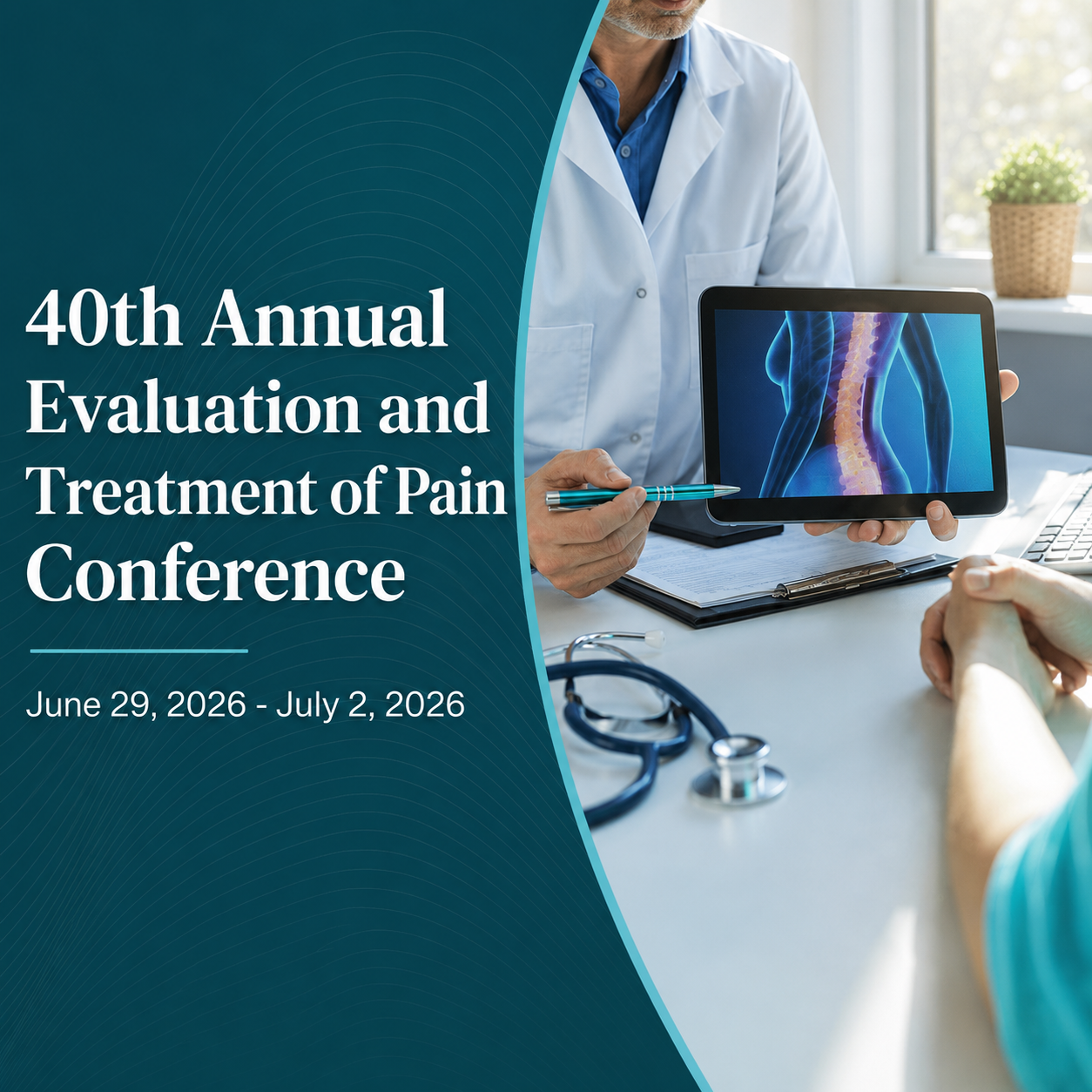
Harvard 40th Annual Evaluation and Treatment of Pain Conference 2026

New Sale

Original price was: $1,595.00.Current price is: $199.99.

Instant Direct Digital Download

support 24/7 Customer Support

Secure Payment

Harvard 40th Annual Evaluation and Treatment of Pain Conference 2026
This item: Harvard 40th Annual Evaluation and Treatment of Pain Conference 2026
Original price was: $1,595.00.Current price is: $199.99.
Pain Medicine Updates 2025: Fast-Track Updates for Pain Clinicians
Original price was: $119.95.Current price is: $39.99.
Complete Interventional Pain Procedures Training Bundle
Original price was: $899.99.Current price is: $149.00.
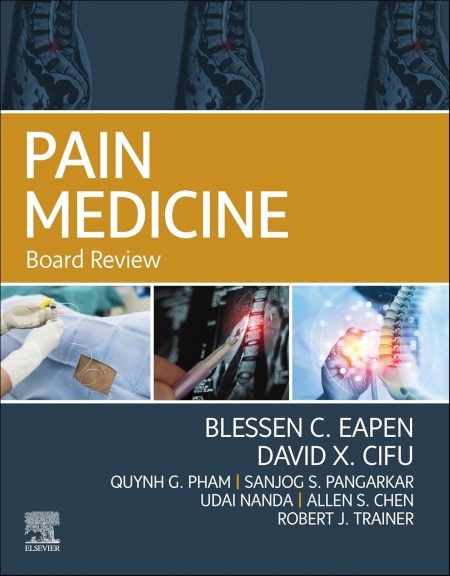
Pain Medicine: Board Review  1st Edition
Original price was: $112.99.Current price is: $49.99.
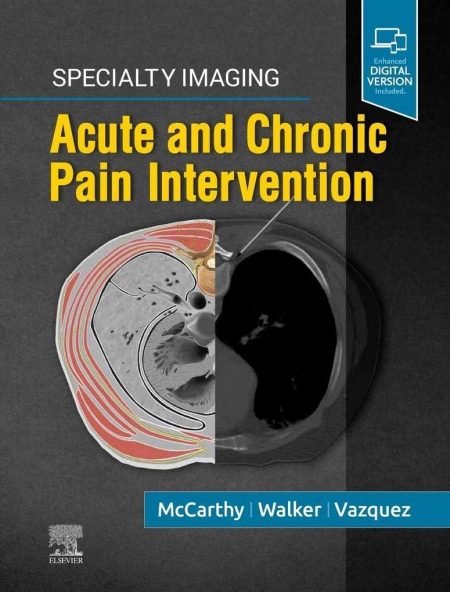
Specialty Imaging: Acute and Chronic Pain Intervention  1st Edition
Original price was: $242.99.Current price is: $99.99.

Description

HARVARD MEDICAL SCHOOL • 2026 EDITION

Harvard 40th Annual Evaluation and Treatment of Pain Conference 2026

The 40th Annual Evaluation and Treatment of Pain Conference 2026 delivers a comprehensive, multidisciplinary update on acute, chronic, neuropathic, musculoskeletal and cancer-related pain. Explore current pharmacologic, behavioral, rehabilitative and interventional strategies presented by experienced faculty across pain medicine and related specialties.

🩺
Course Details
Harvard 40th Annual Evaluation and Treatment of Pain Conference 2026
Original Dates: June 29 – July 2, 2026 • Digital Recorded Educational Program • VTT Subtitled

About the Harvard Pain Conference 2026

Transform your approach to pain management with this comprehensive, expert-led educational program. The course explores current advances in the evaluation and treatment of acute, chronic, neuropathic, musculoskeletal and cancer-related pain across diverse patient populations.

Pain remains undertreated in many clinical settings, while inappropriate use of certain therapies may lead to avoidable complications. This program addresses these challenges through a practical review of pharmacologic, behavioral, rehabilitative and interventional treatment options.

Faculty expertise spans anesthesiology, neurology, psychiatry, psychology, internal medicine, physical medicine and rehabilitation, orthopedic surgery, interventional radiology, neurosurgery and palliative care. Special attention is given to opioid prescribing, opioid tapering, addiction management, interventional procedures, regenerative therapies and non-pharmacologic approaches.

Why Choose This Course

Comprehensive four-day curriculum covering common and complex pain conditions
Multidisciplinary expert faculty from pain medicine and related specialties
Practical diagnostic strategies for musculoskeletal, spinal, neuropathic, abdominal and pelvic pain
Current treatment updates on ketamine, buprenorphine, NSAIDs, COX-2 inhibitors, cannabis and opioids
Interventional content including spine procedures, nerve blocks and botulinum toxin injections
Behavioral and integrative therapies including CBT, meditation, yoga, Tai Chi and acupuncture
Emerging clinical topics including artificial intelligence and regenerative medicine
Flexible digital access for independent study and clinical review

Main Areas Covered

Pain Evaluation: Focused musculoskeletal examination • Abdominal and pelvic pain • Psychosocial assessment • Disability evaluation • Difficult patient communication
Chronic and Neuropathic Pain: Fibromyalgia • Myofascial pain • Peripheral neuropathies • Postherpetic neuralgia • Complex regional pain syndrome • Trigeminal neuralgia
Spine and Musculoskeletal Pain: Low-back pain • Neck pain • Spinal imaging • Interventional spine procedures • Shoulder and knee disorders • Surgical decision-making
Headache Medicine: Migraine • Cervicogenic headache • Occipital neuralgia • Migrainous cervicalgia • Botulinum toxin and nerve blocks
Medication Management: Ketamine • Buprenorphine • NSAIDs • COX-2 inhibitors • Opioid prescribing • Opioid tapering • Medical cannabis
Integrative and Behavioral Care: Acupuncture • Yoga • Tai Chi • Herbal supplements • Meditation • Relaxation response • Cognitive behavioral therapy
Cancer and Palliative Care: Cancer pain • Interventional cancer-pain treatment • End-of-life pain • Palliative-care strategies

Learning Objectives

🎯 Upon Completion, Participants Should Be Better Able To
✓ Apply structured methods for evaluating acute and chronic pain.
✓ Differentiate common causes of musculoskeletal, neuropathic, spinal, abdominal and pelvic pain.
✓ Compare pharmacologic, behavioral, rehabilitative and interventional treatment strategies.
✓ Develop individualized approaches to cancer-related and end-of-life pain.
✓ Apply safer opioid-prescribing, tapering and toxicology-screening practices.
✓ Evaluate the appropriate clinical use of ketamine, buprenorphine, NSAIDs and medical cannabis.
✓ Incorporate mind-body and non-pharmacologic therapies into multidisciplinary pain care.
✓ Discuss the potential impact of artificial intelligence and regenerative medicine on pain practice.

Complete Curriculum — Four-Day Program

🩺 Day 1 — Monday, June 29, 2026
Welcome and Introductory Remarks — Carol Warfield
Lessons from the Past for Providing State-of-the-Art Pain Management — Carol Warfield
Focused Musculoskeletal Evaluation: Practical Techniques and Maneuvers — Emily Wang
Evaluating Abdominal and Pelvic Pain — Jyotsna Nagda
Psychosocial Evaluation of the Patient in Pain — Samantha Meints
Practical Pointers for Performing a Disability Evaluation — Emily Wang
Updates on Fibromyalgia and Myofascial Pain — Joseph Audette
Herbal and Nutritional Supplements: What Works and What Does Not — Joseph Audette
Acupuncture, Tai Chi and Yoga — Joseph Audette
Pain and Sleep — Paul Mathew
Workshop: The Art and Science of Musculoskeletal and Physical Examination — Paul Mathew, Joseph Audette and Emily Wang
🦴 Day 2 — Tuesday, June 30, 2026
Cancer Pain Management — Carol Warfield
Interventional Techniques for Cancer Pain Management — Sanjeet Narang
Pain Management: A Palliative-Care Perspective — Janet Abrahm
Pathophysiology of Low-Back Pain and Differentiating Its Cause — Thomas Simopoulos
How to Interpret Spinal Imaging — Rafael Rojas
Interventional Techniques for Spinal Pain — David Hao
How to Deliver the Best Care for Neck and Back Pain — Sanjeet Narang
When and Why to Consider Surgical Management of Spinal Pain — Eric Woodard
Will Artificial Intelligence Transform Our Practice? — Samir Kendale
Workshop: Spine Intervention Essentials: Familiarity With Common Procedures — David Hao, James Cho and Eileen Jin
🧠 Day 3 — Wednesday, July 1, 2026
Headache Diagnosis: It Is All in Your Head—or Is It? — Paul Mathew
Updates in Headache Management in 2026 — Sait Ashina
Trigeminal Neuralgia — Paul Mathew
Cervicogenic Headache vs. Occipital Neuralgia vs. Migrainous Cervicalgia — Paul Mathew
Treatment of Neuropathic Pain Based on Pain Pathophysiology — Zahid Bajwa
Management of Painful Peripheral Neuropathies — Thomas Simopoulos
Postherpetic Neuralgia and Postherpetic Itch — Amanda Macone
Evaluation and Treatment of Complex Regional Pain Syndrome — Thomas Simopoulos
Ketamine for Chronic Pain — Farah Dadabhoy
Buprenorphine for Chronic Pain — Sukhman Shergill
Workshop: Botulinum Toxin Injections, Occipital Nerve Blocks and Trigeminal Nerve Blocks — Sait Ashina, Amanda Macone and Paul Mathew
💊 Day 4 — Thursday, July 2, 2026
Medical and Surgical Treatment of Shoulder and Knee Disorders — Arun Ramappa
Regenerative Medicine: PRP and Stem Cells for Musculoskeletal Pain — Walter Sussman
Medical Marijuana: If, When, Why and How to Prescribe for Pain — Brian E. McGeeney
Updates on NSAIDs and COX-2 Inhibitors — Lee Simon
Opioids: Rational Prescribing and Medico-Legal Considerations — Edward Michna
Opioid Addiction: Toxicology Screening, Tapering and Medication-Assisted Treatment — Jungjin Kim
Mind-Body Approaches to Pain Medicine — Ellen Slawsby
The Relaxation Response: Meditation for Pain Management — John Denninger
Cognitive Behavioral Therapy — Elyse Rosenberg
Dealing With Difficult Patients — Joanna Streck

Also included in the scientific program: expert question-and-answer discussions addressing practical clinical decisions and complex patient-management scenarios.

Who Should Take This Course

This program is designed for clinicians who want a comprehensive, evidence-based update on multidisciplinary pain management.

✓ Psychologists   ✓ Primary Care Physicians   ✓ Pain Medicine Specialists
✓ Anesthesiologists   ✓ Neurologists   ✓ PM&R Physicians
✓ Orthopedic and Spine Clinicians   ✓ CRNAs   ✓ Dental Professionals
✓ Nurse Practitioners   ✓ Physician Assistants   ✓ Palliative-Care Clinicians

Delivery & Access

♾️ Lifetime Access

One-time purchase with permanent access for independent study and future clinical review.

📱 Compatible With All Devices

Watch on a phone, tablet, laptop or desktop using a compatible media player.

💬 Sample Video Available

Contact us via WhatsApp or email to request a sample video before purchase.

Important Notice: This product provides digital educational materials only. Official registration, live-event attendance, faculty interaction, CME credits and certificates are not included unless explicitly stated.

Original price was: $1,595.00.Current price is: $199.99.Download

Reviews

There are no reviews yet.

Add a review